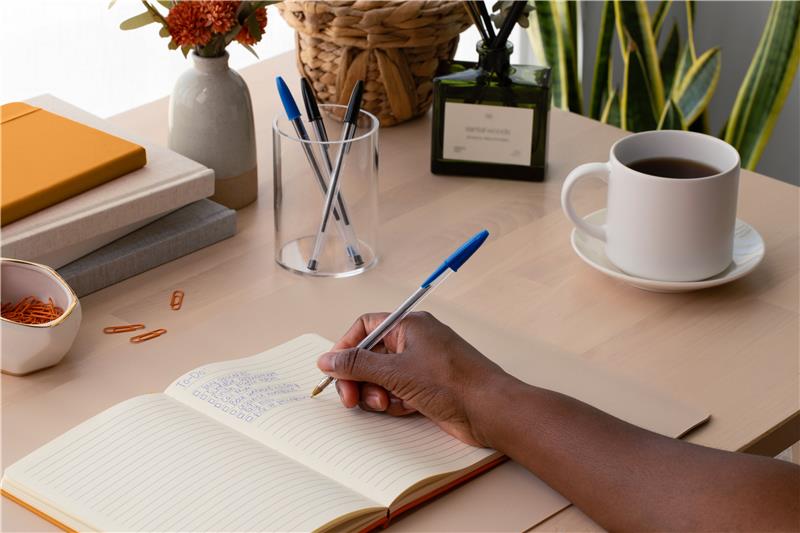


The Psychology of Pen to Paper: Why Writing Still Matters in a Digital World
We're living in a digital world. Most of us spend our days typing on phones and computers. Kids learn to use tablets before they even learn to tie their shoes. But even with all this technology around, writing by hand is still important. Psychologists, teachers, and parents still see the value in it.
In South Africa, good education is a big deal for both the country and families. Writing by hand is a key part of learning. Whether it's a child holding a pencil for the first time, a student taking notes, or an adult writing in a journal, writing connects our thoughts, feelings, and memories in a way that typing just can’t.
The Science Behind Handwriting
Writing isn't just putting words down; it gets your whole brain working.
When you write:
- The motor cortex controls hand movement.
- The frontal lobe processes meaning and intent.
Typing can become mindless. But writing makes you really think, which is why handwritten notes stick with you better.
Studies show that:
- Students who write notes do better on tests than those who type.
- Writing boosts creativity since it's slower and gives you time to think.
- Kids who practice handwriting get better at reading and spelling.
Writing as a Tool for Expression and Creativity
Writing is super important for showing who you are, even when you're not in school. In South Africa, things like telling stories and keeping a journal are still really great ways to feel connected to your family history, your community, and just who you are as a person.
Encouraging children (and adults) to write:
- Boosts confidence by giving them a voice.
- Get their imaginations going with poems, stories, and even drawings.
- Help them feel less stressed by letting them work through what they're thinking.
This isn't just an old-fashioned idea either, therapists everywhere suggest writing as a way to deal with stress and take care of your mental well-being.
Handwriting in South African Schools
While computers are everywhere, schools in South Africa still think handwriting is really important, especially when kids are just starting out.
Teachers have seen that kids who learn to write well by hand usually do better later on when they have to learn more difficult elements. In the classroom, they've noticed handwriting helps children focus and be more disciplined. It also helps them understand language better and think more clearly, especially when they're writing papers or doing math.
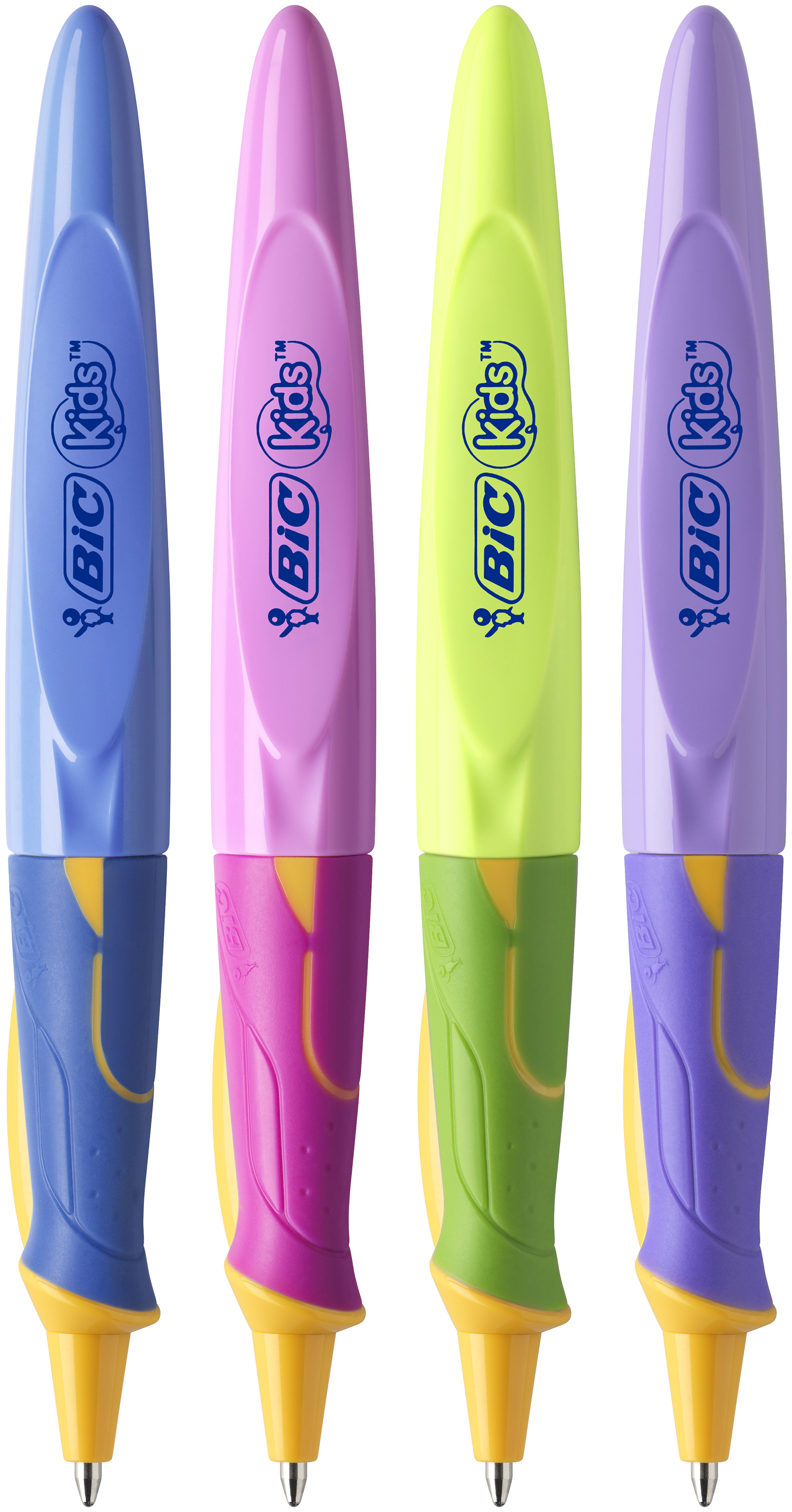
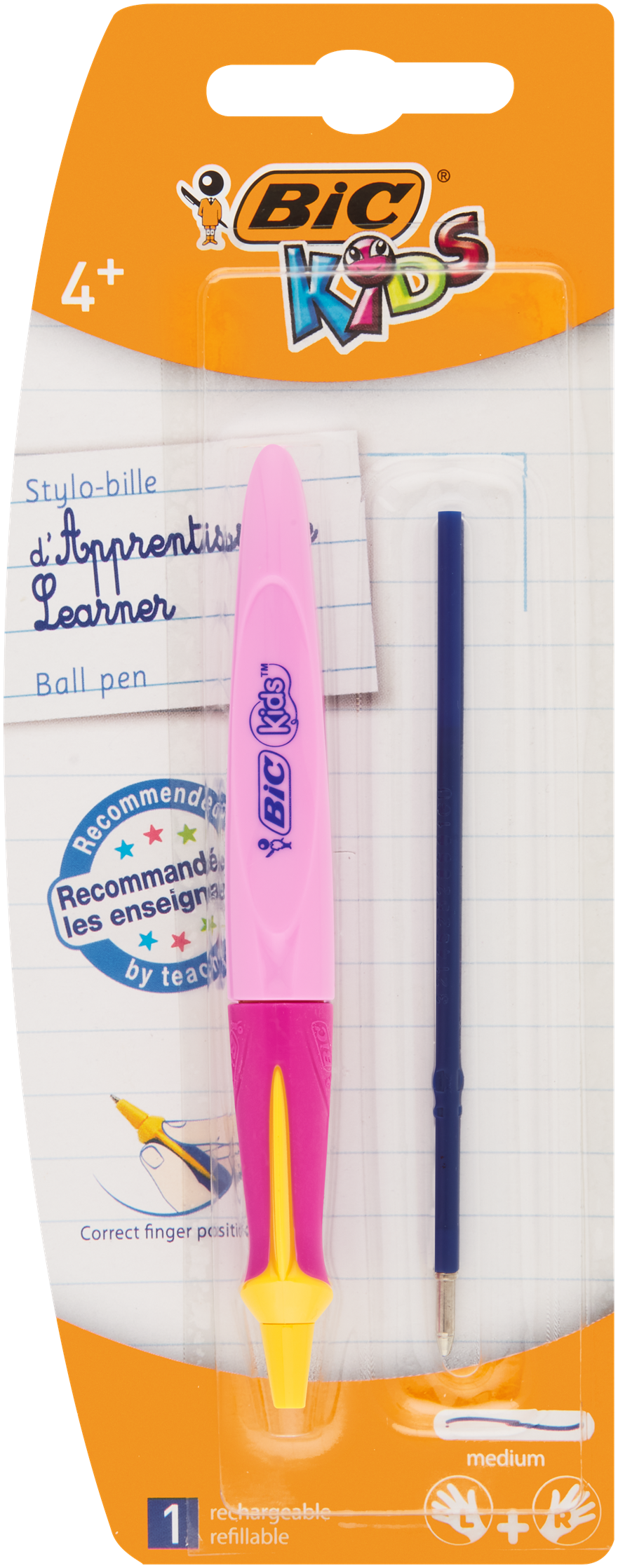
By using products like the BIC® Kids Beginners pen and pencil range, schools can make handwriting practice both accessible and effective.
Tips for Parents: Encouraging Children to Write More
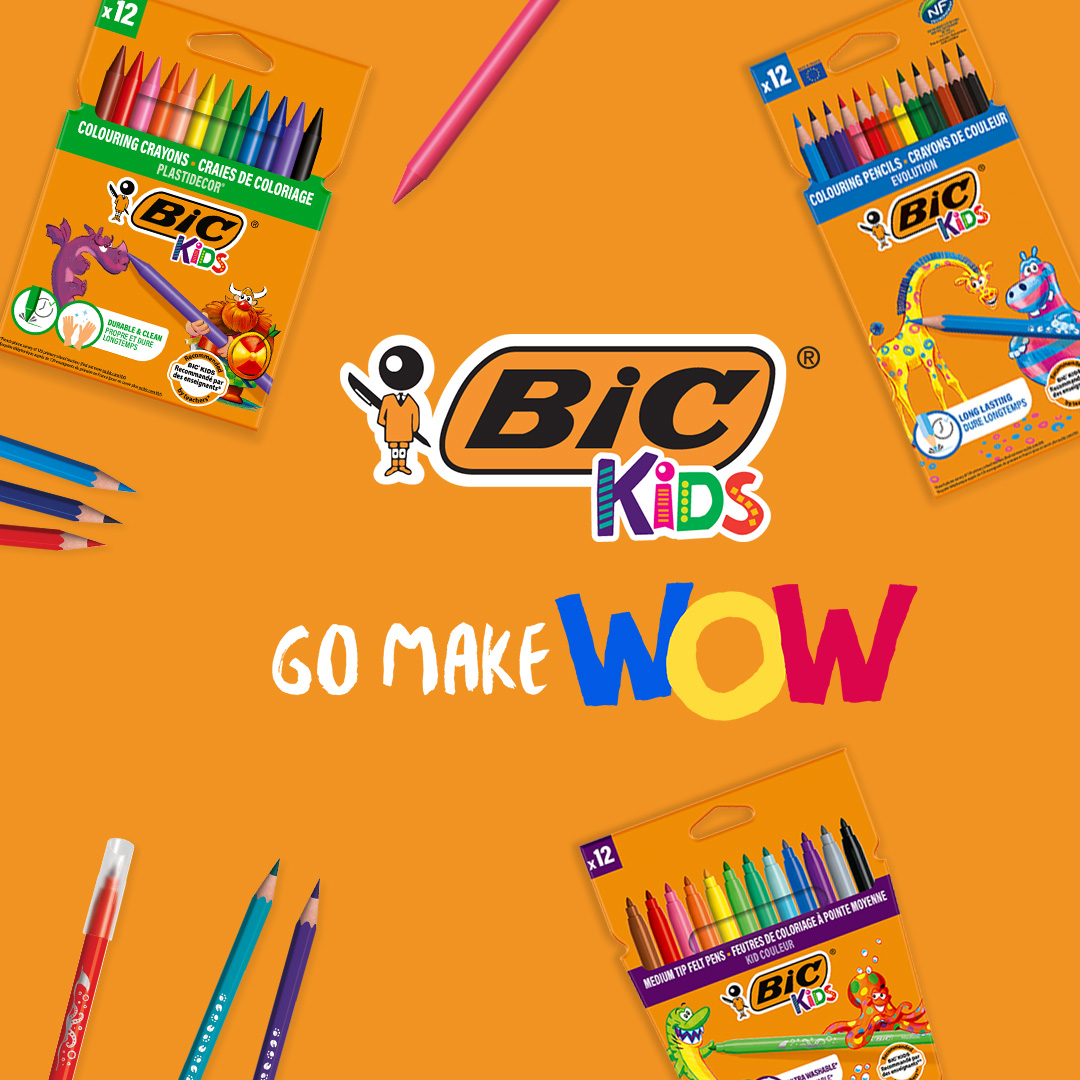
- Make it fun: Get them doodling, colouring, and making up stories. Try some BIC Kids products
- Get the Right Stuff: Give them easy-to-use pens, nice notebooks, and cool stationery.
- Keep it Quick: Little children learn best in short spurts, like 10–15 minutes.
- Praise the Try: Children get confident when they feel good about how far they've come, so focus on effort, not perfect results.
Writing Beyond School: Why Adults Shouldn’t Stop
Handwriting isn't just for children; it's good for adults too. Whether you're brainstorming at work, planning a business, or keeping a journal, writing things down helps you:
- Organize your thoughts better.
- Remember things better than if you typed them.
- Feel closer to your ideas.
For South African professionals, who are often multitasking and dealing with too much technology, taking just 10 minutes to write by hand can make you more productive and focused.
Technology is here to stay, and it’s a powerful tool. But writing by hand offers something different, something deeply human. It connects us to our ideas, strengthens memory, and builds creativity.
That’s why pen to paper will always matter. Shop the iconic BIC Crystal pen that has passed the test in the last 75 years.